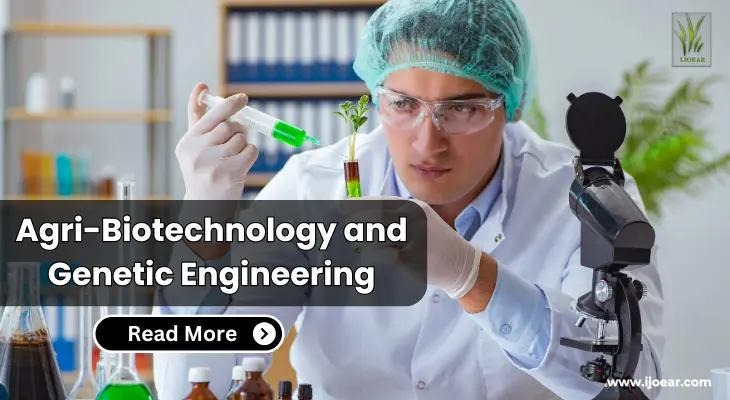
Agriculture is the backbone of food production, but farmers face challenges like climate change, pests, diseases, and limited land. Agricultural biotechnology (Agri-biotech) and genetic engineering offer solutions by improving crop yields, enhancing resistance to pests and diseases, and making farming more sustainable. These technologies help produce more food using fewer resources, ensuring global food security.
What is Agri-Biotechnology?
Agri-biotechnology is the use of scientific techniques, such as genetic modification, tissue culture, and molecular markers, to improve plants, animals, and microorganisms for farming. This field focuses on:
- Enhancing crop productivity through improved genetics.
- Developing pest-resistant and disease-resistant crops.
- Creating drought-tolerant and climate-resilient plants.
- Reducing the need for chemical fertilizers and pesticides.
Understanding Genetic Engineering in Agriculture
Genetic engineering (GE) is a branch of biotechnology where scientists directly modify the DNA of plants or animals to introduce desirable traits. Unlike traditional breeding, which takes years, GE allows precise modifications in a shorter time.
How Does Genetic Engineering Work?
- Gene Identification – Scientists identify useful genes in one organism (e.g., drought-resistant genes from a desert plant).
- Gene Transfer – The selected gene is inserted into the target crop’s DNA using advanced methods like CRISPR or gene splicing.
- Testing and Approval – The modified crop undergoes safety and environmental tests before being approved for cultivation.
Benefits of Agri-Biotechnology and Genetic Engineering
1. Higher Crop Yields
Biotech crops grow faster and produce more food per acre, helping meet the growing global demand for food.
2. Pest and Disease Resistance
Genetically modified (GM) crops, such as Bt cotton and Bt maize, naturally resist insects, reducing the need for chemical pesticides.
3. Drought and Climate Resilience
GE crops like drought-tolerant wheat and salt-resistant rice help farmers grow food even in harsh climates.
4. Reduced Chemical Usage
Crops engineered to fight pests and diseases require fewer pesticides and herbicides, leading to environmentally friendly farming.
5. Improved Nutritional Value
Scientists develop biofortified crops, such as Golden Rice, which is rich in Vitamin A to combat malnutrition.

6. Faster Growth and Ripening
Crops engineered for faster maturity allow multiple harvests in a year, improving farm productivity.
7. Sustainable Agriculture
Biotechnology promotes precision farming, reducing land and water usage while maximizing output.
Examples of Genetically Engineered Crops
1. Bt Cotton
Modified to resist the bollworm pest, reducing pesticide use and improving cotton yield.
2. Golden Rice
Biofortified with Vitamin A, addressing malnutrition and improving eye health in children.
3. Drought-Tolerant Maize
Developed to survive dry conditions, ensuring stable maize production in water-scarce regions.
4. Herbicide-Tolerant Soybeans
Engineered to resist herbicides, allowing farmers to control weeds effectively without damaging crops.
5. Virus-Resistant Papaya
GM papaya was developed to resist the Papaya Ringspot Virus, saving papaya farms worldwide.
Challenges and Concerns of Genetic Engineering
While GE crops offer many benefits, some concerns need attention:
- Environmental Impact – Unintended effects on biodiversity and natural ecosystems.
- Cross-Pollination Risks – GM crops might mix with non-GM plants, affecting traditional farming.
- Ethical and Labeling Issues – Some consumers demand clear labeling of GM foods.
- Regulatory Hurdles – Many countries have strict laws for approving GE crops.
Future of Agri-Biotechnology
With advancements in CRISPR gene editing and AI-based crop improvement, scientists are developing:
- Crops with self-fertilizing abilities to reduce dependency on fertilizers.
- Disease-resistant bananas and coffee plants to protect against major crop losses.
- More climate-adaptive crops that can withstand extreme temperatures.
How IJOEAR Supports Research in Agri-Biotechnology and Genetic Engineering
The International Journal of Environmental and Agriculture Research (IJOEAR) provides a platform for scientists and researchers to publish high-quality studies in Agri-biotechnology. We support:
- Publication of innovative research in plant genetics and bioengineering.
- Open-access knowledge sharing to reach a global audience.
- Peer-reviewed articles ensuring credibility and scientific accuracy.
- Collaboration opportunities for researchers in agricultural science.
By publishing with IJOEAR, researchers contribute to global food security and sustainable farming practices.
Agri-biotechnology and genetic engineering are shaping the future of agriculture by making crops stronger, healthier, and more productive. While challenges exist, responsible use of biotechnology can help feed the growing population, protect the environment, and promote sustainable farming. Continued research and innovation in this field will ensure that future generations have access to safe and nutritious food.