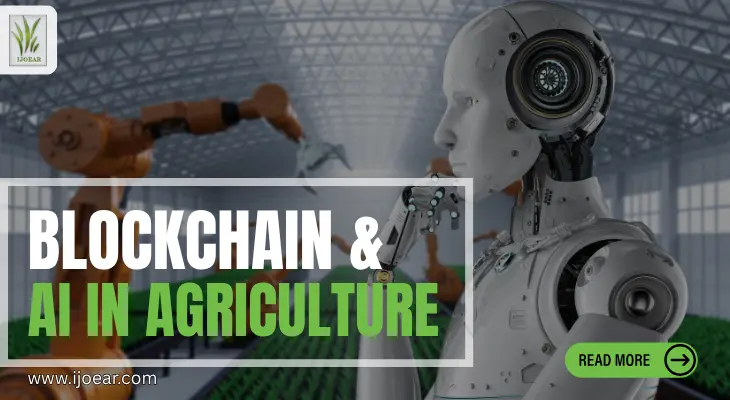
Technology is changing how we farm. Two major innovations—Blockchain and Artificial Intelligence (AI)—are helping farmers grow more food, make better decisions, and manage resources more efficiently. In this blog, we’ll explore how these technologies work in agriculture and why they matter.
What is Blockchain and AI::
Blockchain is a digital system that stores data in secure blocks. Once added, the data cannot be changed or deleted. It ensures transparency, trust, and traceability in transactions—very useful for the food supply chain.
AI is the use of smart machines or software that can think, learn, and make decisions. In agriculture, AI is used to analyze data, predict outcomes, and automate tasks.
Together, these technologies are creating “smart agriculture”—a more efficient, productive, and sustainable way of farming.
How Blockchain Helps Agriculture:
1. Improves Traceability:
Blockchain records every stage of food production—from planting to delivery. This helps track where food comes from, how it was grown, and if it's safe to eat.
2. Builds Trust in the Supply Chain:
With blockchain, everyone (farmers, buyers, retailers, and consumers) can view real-time updates on a single, secure platform. This builds trust between producers and consumers.
3. Prevents Food Fraud:
By using blockchain, fake or spoiled products can be quickly identified and removed, reducing fraud and waste.
4. Supports Fair Pricing:
Blockchain eliminates the need for multiple middlemen. Farmers can directly connect with buyers, which helps them get better prices for their crops.
How AI is Used in Agriculture:
1. Crop Monitoring and Disease Detection:
AI-powered drones and sensors scan fields to detect diseases, pests, or low-nutrient levels early—helping prevent crop loss.
2. Predictive Analytics:
AI tools use weather data, soil reports, and market trends to predict the best time to plant, water, and harvest crops.
3. Automated Machinery:
Smart tractors and robots use AI to plant seeds, spray fertilizers, and harvest crops, reducing manual labor and increasing accuracy.
4. Livestock Management:
AI systems monitor animals’ health, diet, and movement. This helps in early illness detection and improves productivity.
Real-Life Examples:
- IBM Food Trust uses blockchain to track food from farm to table.
- Microsoft AI for Earth supports agricultural AI tools to monitor crop health.
- Smart farming startups like AgriDigital and FarmTrace combine blockchain and AI to improve efficiency.

Benefits of Using Blockchain and AI in Agriculture:
- Increases transparency and accountability
- Reduces waste, cost, and fraud
- Helps make data-driven decisions
- Improves crop yield and profitability
- Encourages sustainability and climate-smart farming
Blockchain and AI are no longer future technologies—they’re already making farming smarter. Whether it's a small organic farm or a large agricultural company, these tools offer clear advantages in quality, safety, and productivity. For the future of food, embracing these technologies is a smart move.