Sustainable farming is the key to ensuring food security while protecting the environment for future generations. As the global population grows and climate change intensifies, farmers, researchers, and policymakers must adopt innovative strategies to balance productivity with sustainability. This blog explores the latest trends shaping sustainable agriculture and the challenges that need to be addressed.
What is Sustainable Farming?
Sustainable farming is an agricultural approach that aims to meet the food needs of the present without compromising the ability of future generations to do the same. It focuses on using natural resources efficiently, reducing environmental impact, and promoting economic and social well-being in farming communities.
Key principles of sustainable farming include:
- Soil health management – Reducing soil degradation through organic farming, crop rotation, and minimal tillage.Water conservation – Implementing efficient irrigation techniques like drip irrigation and rainwater harvesting.Biodiversity preservation – Encouraging diverse crop cultivation and protecting natural ecosystems.Reducing chemical dependency – Using organic fertilizers and biopesticides to minimize chemical pollution.Climate resilience – Developing farming methods that can withstand extreme weather conditions.
Emerging Trends in Sustainable Farming
1. Precision Agriculture
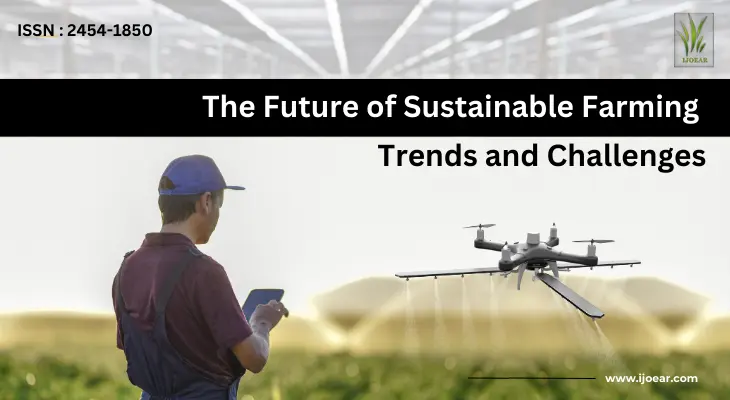
Precision agriculture uses technology such as GPS, drones, and IoT sensors to optimize farming practices. These tools help farmers analyze soil conditions, monitor crop health, and apply fertilizers or pesticides only where needed, reducing waste and environmental impact.
2. Regenerative Agriculture
This method goes beyond sustainability by actively restoring soil health. Cover cropping, reduced tillage, composting, and agroforestry are key techniques that improve soil structure, increase organic matter, and enhance biodiversity.
3. Organic and Agroecological Farming
Consumers are increasingly demanding chemical-free, organic food. Agroecology integrates ecological principles into farming, reducing the reliance on synthetic fertilizers and pesticides while promoting natural pest control and crop diversity.
4. Vertical and Urban Farming
With urbanization on the rise, vertical farming is becoming a solution for growing food in cities. These systems use hydroponics and aeroponics to cultivate crops in controlled indoor environments, reducing water usage and eliminating the need for arable land.

5. Alternative Protein Sources
To reduce the environmental impact of livestock farming, scientists are developing plant-based proteins, lab-grown meat, and insect-based proteins. These alternatives require fewer resources and generate lower greenhouse gas emissions compared to traditional meat production.
6. Smart Water Management
Advanced irrigation systems, such as AI-driven irrigation scheduling and desalination technologies, are helping farmers optimize water use. These innovations are crucial in regions facing water scarcity due to climate change.
7. Carbon Farming and Climate-Smart Practices
Governments and organizations are promoting carbon farming, where farmers are incentivized to adopt practices that sequester carbon in the soil, such as agroforestry and biochar application. This helps reduce greenhouse gas emissions while improving soil fertility.
Challenges in Achieving Sustainable Farming
1. Climate Change and Unpredictable Weather Patterns
Rising temperatures, extreme weather events, and shifting rainfall patterns make farming increasingly uncertain. Farmers must adopt climate-smart agriculture techniques to mitigate these effects.
2. High Costs of Sustainable Farming Technologies
While sustainable farming methods offer long-term benefits, initial investments in precision technology, organic certification, and soil restoration can be expensive for small-scale farmers. Governments and financial institutions must support farmers with subsidies and incentives.
3. Soil Degradation and Loss of Arable Land
Intensive farming practices have led to soil erosion, nutrient depletion, and desertification. Without proper soil management, food production will decline. Sustainable soil practices like crop rotation, no-till farming, and composting are essential to reverse this trend.
4. Water Scarcity and Inefficient Use
Agriculture is the largest consumer of freshwater, and inefficient irrigation leads to water wastage. Technologies like drip irrigation, rainwater harvesting, and AI-based water management can help address this challenge.
5. Resistance to Change and Lack of Awareness
Many farmers are hesitant to adopt new technologies due to a lack of awareness, training, and access to information. Governments, NGOs, and research institutions must work together to educate farmers on the benefits of sustainable practices.
6. Food Security vs. Sustainability Balance
As the global population is expected to exceed 9 billion by 2050, there is immense pressure to produce more food. However, intensifying agricultural production must not come at the cost of environmental degradation. A balanced approach that incorporates both yield optimization and sustainability is necessary.
How to Promote Sustainable Farming
1. Government Policies and Incentives
Governments should provide subsidies, tax breaks, and low-interest loans to encourage sustainable farming practices. Research funding for climate-smart agriculture should be increased.
2. Education and Training for Farmers
Workshops, digital platforms, and agricultural extension programs can help farmers understand and implement sustainable farming techniques.
3. Investment in Agricultural Research and Innovation
Continuous research is needed to develop resilient crop varieties, improve water management systems, and enhance soil restoration techniques.
4. Strengthening Farm-to-Market Linkages
Ensuring that sustainably grown produce reaches consumers through better supply chains, fair-trade policies, and direct farm-to-table initiatives will make sustainable farming more profitable.
5. Consumer Awareness and Support
Consumers play a vital role in supporting sustainable agriculture by choosing organic and locally sourced food. Sustainable farming can thrive if consumer demand shifts towards environmentally friendly products.
The future of sustainable farming depends on integrating innovative technology, environmentally friendly practices, and policy support to balance food production with resource conservation. While challenges exist, collaborative efforts between farmers, researchers, governments, and consumers can pave the way for a more resilient and sustainable agricultural system. Sustainable farming is not just an option—it is a necessity for securing our planet's future and ensuring that food production remains viable for generations to come.
How IJOEAR Can Help in Sustainable Farming
The International Journal of Environmental and Agriculture Research (IJOEAR) plays a crucial role in promoting sustainable farming by providing a global platform for researchers to share innovative solutions and best practices. By publishing high-quality, peer-reviewed research, IJOEAR helps farmers, scientists, and policymakers stay informed about the latest advancements in climate-resilient crops, soil conservation, precision agriculture, water management, and eco-friendly pest control. The journal encourages studies that address sustainability challenges, ensuring that groundbreaking research reaches a wider audience. With open-access availability, IJOEAR enables free and easy access to valuable knowledge, helping agricultural communities worldwide implement sustainable and efficient farming practices.