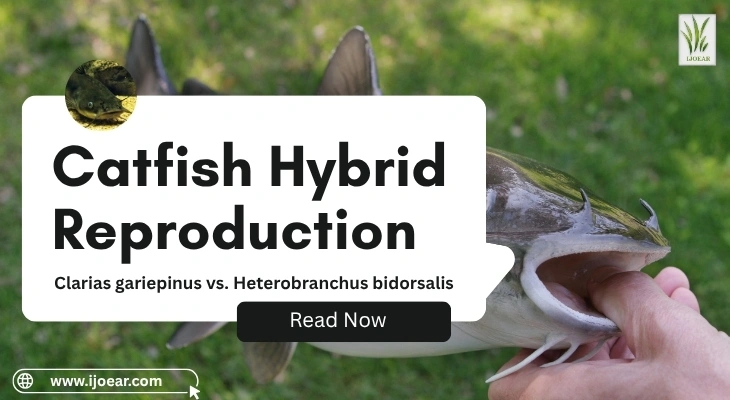
Why Hybrid Catfish Breeding Is Gaining Attention
Aquaculture continues to play a growing role in global food security, especially as demand for affordable and protein-rich food sources increases. Among freshwater aquaculture species, catfish remain one of the most commercially valuable groups due to their rapid growth, hardiness, high market acceptance, and adaptability to different farming conditions.
In many regions, particularly across Africa and parts of Asia, catfish farming has expanded rapidly to meet rising consumption needs. However, modern aquaculture faces increasing pressure to improve growth efficiency, feed utilization, survival rates, and disease tolerance.
One strategy attracting considerable scientific and commercial interest is hybrid reproduction in catfish farming.
Hybridization allows researchers and producers to combine desirable traits from different species to improve overall productivity. Among the most widely studied combinations is the cross between Clarias gariepinus (African sharptooth catfish) and Heterobranchus bidorsalis (Vundu catfish).
Researchers have increasingly explored this hybrid pairing because each species offers distinct biological advantages. For a broader perspective on sustainable aquaculture practices, explore our guide on oceans and marine ecosystems research for thesis.
Understanding how hybrid reproduction works between these two catfish species is becoming increasingly important for researchers, hatchery managers, aquaculture students, and fish farmers seeking better production outcomes.
Understanding the Parent Species
Before exploring hybrid reproduction, it is important to understand the biological characteristics of both parent species.
Clarias gariepinus: The Fast-Growing Aquaculture Favorite
Clarias gariepinus, commonly known as African sharptooth catfish, remains one of the most widely farmed freshwater fish species.
The species is highly valued for several reasons:
- Rapid growth performance
- High survival rates
- Tolerance to poor water quality
- Air-breathing capability
- Strong market demand
- Efficient feed conversion
Its ability to survive under stressful environmental conditions makes it particularly suitable for intensive aquaculture systems.
However, despite these strengths, some farmers report limitations involving flesh quality, growth inconsistency, and reproductive performance under certain production systems.
Heterobranchus bidorsalis: The Larger and Robust Performer
Heterobranchus bidorsalis is another important African catfish species known for:
- Larger body size potential
- Superior flesh characteristics
- Better feed utilization in some systems
- High market value
Many researchers note that Heterobranchus bidorsalis often grows to larger sizes compared to Clarias gariepinus under favorable conditions.
However, it may show slower early growth and lower adaptability in intensive farming environments.
Because both species possess valuable but different strengths, hybridization became an attractive scientific approach.

What Is Hybrid Reproduction in Catfish?
Hybrid reproduction refers to the controlled breeding of two genetically distinct species to produce offspring carrying characteristics from both parents.
In aquaculture, hybridization often aims to combine faster growth, better survival, disease resistance, improved feed efficiency, and enhanced market quality.
For catfish, one common hybridization strategy involves crossing:
Female Clarias gariepinus × Male Heterobranchus bidorsalis
This cross is often called Hetero-Clarias.
In some cases, reverse crosses may also occur:
Female Heterobranchus bidorsalis × Male Clarias gariepinus
However, performance outcomes frequently differ depending on parental direction. Researchers increasingly investigate which combinations deliver the best reproductive and production advantages.
Why Researchers Compare Clarias gariepinus and Heterobranchus bidorsalis
The scientific interest in hybrid reproduction between these species largely stems from trait complementarity.
Researchers seek to answer key questions such as:
- Which species produces better reproductive performance?
- Which hybrid demonstrates stronger survival?
- Does hybrid vigor improve productivity?
- Which parent combination produces better offspring quality?
Studies comparing Clarias gariepinus and Heterobranchus bidorsalis frequently evaluate egg fertilization rates, hatchability, larval survival, growth performance, feed conversion efficiency, and stress tolerance. These reproductive indicators help determine commercial viability.
Reproductive Biology of Clarias gariepinus
One reason Clarias gariepinus dominates aquaculture systems is its strong reproductive performance.
The species generally demonstrates:
- High Egg Production: Females often produce relatively large numbers of eggs.
- Good Fertility Rates: Artificial breeding protocols frequently achieve high fertilization success.
- Strong Hatchability: Under suitable hatchery conditions, survival rates can be favorable.
- Adaptability to Induced Breeding: Hormonal induction techniques are commonly used successfully.
Because of these characteristics, Clarias gariepinus females are often preferred in hybrid breeding systems. Their reproductive efficiency helps improve hatchery success.
Reproductive Traits of Heterobranchus bidorsalis
Although valued for size and growth potential, Heterobranchus bidorsalis presents certain reproductive differences.
Researchers often report:
- Larger Sperm Volume: Males may produce high-quality milt suitable for hybridization.
- Slower Reproductive Maturity: Sexual maturity may occur later than in Clarias gariepinus.
- Variable Hatchery Performance: Environmental conditions strongly influence breeding outcomes.
Despite these challenges, the species contributes valuable growth traits to hybrid offspring. This makes male Heterobranchus bidorsalis particularly valuable in breeding programs.
Why Female Clarias × Male Heterobranchus Is Often Preferred
Research increasingly favors the cross Female Clarias gariepinus × Male Heterobranchus bidorsalis because of several observed advantages.
- Better Hatchability: Many hatcheries report improved egg fertilization and hatching success.
- Faster Early Growth: Hybrid offspring often outperform pure strains in juvenile stages.
- Improved Survival Rates: Some studies suggest better environmental adaptability.
- Hybrid Vigor (Heterosis): Hybrids may inherit superior characteristics from both parents.
This phenomenon, called heterosis, remains one of the strongest motivations behind catfish hybridization research. For more on genetic improvement in agriculture, read agri-biotechnology and genetic engineering.
Growth Performance of Hybrid Catfish
Growth remains one of the biggest reasons farmers adopt hybrid systems.
Several comparative studies suggest that hybrid catfish may show faster weight gain, better feed conversion, larger body size, and improved growth consistency.
However, results vary considerably depending on water quality, feeding management, stocking density, genetics, and hatchery practices.
Researchers caution that hybrid superiority is not universal and depends heavily on production conditions.
Challenges Associated With Hybrid Catfish Reproduction
Despite promising outcomes, hybridization is not without challenges.
- Genetic Variability: Hybrid offspring may show inconsistent performance.
- Reduced Reproductive Stability: Some hybrids demonstrate weaker breeding consistency.
- Hatchery Skill Requirements: Artificial breeding requires technical expertise.
- Disease Risks: Poor management may increase disease susceptibility.
- Market Perception: Consumer acceptance sometimes differs by region.
Because of these limitations, hatchery management quality becomes critically important.
Artificial Reproduction Techniques in Catfish Hybridization
Most catfish hybrid breeding occurs through induced reproduction methods.
Researchers and hatcheries typically use:
- Hormonal Induction: Broodstock receive hormones to stimulate spawning.
- Artificial Fertilization: Eggs and sperm are manually combined.
- Controlled Incubation: Environmental conditions are carefully monitored.
- Larval Management: Early feeding and water quality strongly affect survival.
These techniques help maximize reproductive success.
Environmental Factors Influencing Reproductive Success
Hybrid reproduction depends heavily on hatchery conditions.
Key factors include:
- Water Temperature: Stable temperatures improve fertilization success.
- Oxygen Levels: Adequate aeration supports embryo survival.
- Water Quality: Poor water conditions reduce hatchability.
- Nutrition of Broodstock: Healthy brood fish generally produce better offspring.
Even genetically promising hybrids may underperform if environmental conditions remain poor. For insights on water quality management, read water conservation and smart irrigation systems.
Where Catfish Hybrid Research Is Heading
Aquaculture research increasingly explores genetic improvement for sustainable fish production.
Future developments may include selective hybrid breeding, genomic evaluation of broodstock, disease-resistant hybrid strains, improved hatchery technologies, and climate-resilient aquaculture genetics.
Researchers also continue evaluating long-term productivity differences between hybrid and pure species systems.
The goal is not simply faster growth but more sustainable aquaculture. For guidance on publishing research in aquaculture, refer to how to publish agriculture research quickly and efficiently.
Finding the Best Balance in Hybrid Catfish Farming
The comparison between Clarias gariepinus and Heterobranchus bidorsalis highlights how hybrid reproduction can support aquaculture productivity through strategic breeding.
While Clarias gariepinus contributes strong reproductive performance and environmental adaptability, Heterobranchus bidorsalis adds valuable growth and body-size traits.
Together, these species create opportunities for improved hatchery outcomes and stronger production efficiency.
However, successful hybrid reproduction depends on far more than genetics alone. Broodstock quality, hatchery expertise, environmental management, and proper feeding systems all shape final outcomes.
For researchers, students, hatchery operators, and aquaculture professionals, hybrid catfish breeding continues to represent an important area of study in building more productive and resilient fish farming systems.
Continue Exploring: Recommended Reads from IJOEAR and AD Publications Blog
📚 You may also find these articles valuable for your research and academic writing journey:
- Oceans and Marine Ecosystems Research for Thesis: A Comprehensive Guide — Explore aquatic ecosystem research methodologies and conservation strategies.
- Agri-Biotechnology and Genetic Engineering: Transforming Modern Agriculture — Learn about molecular tools for genetic improvement in aquaculture and agriculture.
- Alternative Proteins and Novel Foods: The Future of Sustainable Nutrition — Discover emerging protein sources including aquaculture products.
- Water Conservation and Smart Irrigation Systems — Understand water management principles applicable to aquaculture systems.
- Top Research Institutions in India 2025: NIRF Rankings — Discover leading agricultural and fisheries research institutions.
- How to Use Zotero for Citation — Learn to manage references and citations efficiently for your research papers.
- How to Choose the Right Citation Style: APA vs MLA vs Chicago Guide — Understand which citation style fits your academic discipline.